

How to Rebuild Your Identity After Leaving a High-Control Religion
Leaving a high-control religion is a belief shift and an identity shift. You don’t just lose doctrine, but you also lose certainty, community, structure, and maybe even family. You can also lose sense of who you are and what makes you “good”. The part that isn’t talked about enough though, is that even if the decision to leave was the right decision, it can still feel destabilizing. Leaving these systems can provide clear rules about right and wrong, defined gender roles, built-in community, a script for your future, a framework for suffering, and a sense of cosmic meaning. When you step outside of that, your nervous system doesn’t immediately celebrate your decision to choose autonomy. Instead, it panics and feels disorienting. Anything you’re asking yourself right now, like questioning what you believe, not knowing who you are, if you’re wrong, or if you’ve ruined your life… that’s not weakness! Your identity was externally structured for years!

You’re Not Crazy, You’re Activated! (Understanding Emotional Triggers and Attachment Responses)
We’ve all been there - the moment where you send a text, they don’t respond, your stomach drops, and your brain starts building a case (they’re pulling away, I said too much, I am too much). This is how it always starts… and then the shame rolls in. But let me tell you… you’re not crazy! Your nervous system is activated!

The Quiet Grief of Outgrowing Your Old Life
There’s a strange kind of grief that doesn’t get talked about much. It’s not dramatic, it doesn’t announce itself, and it doesn’t require funerals or casseroles or whispered condolences. It’s the grief of outgrowing a life that you once wanted so badly. Maybe you’ve had moments where you look around and thinking about how you should feel grateful, but somethings feels off. Or maybe you realize that the relationships, beliefs, routines, or identities that once fit your perfectly now feel just a little too small. You can make it work, but that too feels off. Constricting.
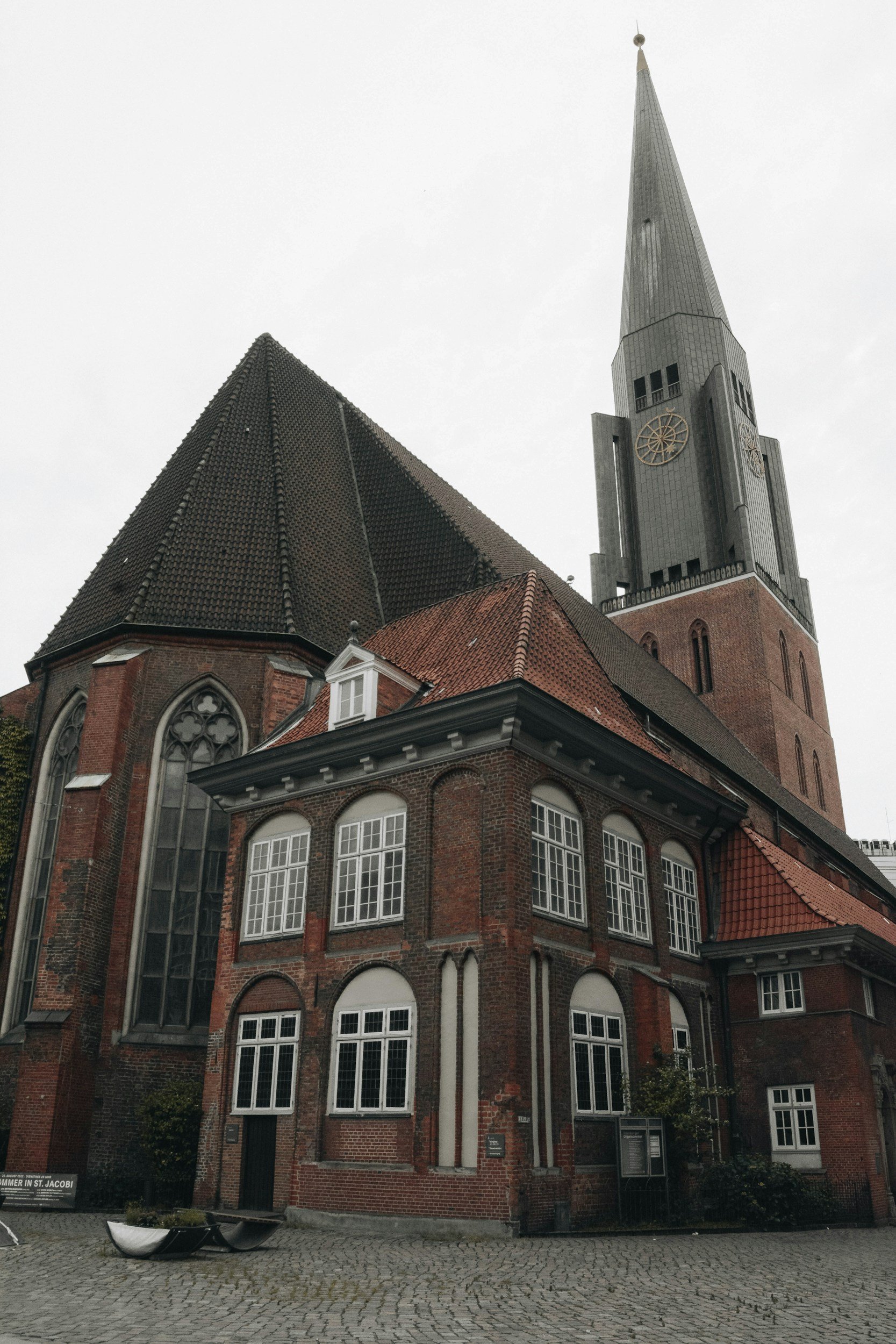
Can You Heal Religious Trauma Without Losing Your Faith?
For many people, faith begins as a source of belonging and community. It can offer guidance, purpose, and a sense of belonging to something bigger and greater than yourself. Faith can provide comfort through the hardest seasons and something that can steady you.

The Difference Between Coping and Healing
You’ve done the hard work of surviving. This might have looked like long nights, silent days, and uncertainty about what life looks like after everything has changed. You’ve read all the books, listened to all the podcasts, and tried shifting your routines, and maybe outwardly it appears as though you’ve got it all together. But sometimes, even after all the effort, you notice that you still feel stuck. You’re not falling apart, but you’re not free and thriving either. That’s the quiet in-between space where many people find themselves: where coping has done it’s job, but healing hasn’t begun yet.

Is It Normal to Stay After Infidelity? What Therapists Want You to Know
When infidelity happens, your world might feel like it’s falling apart. You might find yourself between an overwhelming desire to leave and a voice in your head asking if staying is even possible. People around you might be quick to give you feedback - “once a cheater, always a cheater” or “you have to forgive if you want to move forward.” But the truth is far more complicated. It is normal to stay after infidelity? The short answer: yes. Healing and decision-making after betrayal don’t follow a linear path.

Am I Having a Quarter-Life Crisis? Or Am I Finally Waking Up?
And still - there is something in your body that isn’t right. A quiet sense of dislocation. A feeling like maybe you’re living slightly adjacent to your real life.
This doesn’t mean you’re broken or something is wrong with you, but maybe that you are finally waking up.