

How to Rebuild Your Identity After Leaving a High-Control Religion
Leaving a high-control religion is a belief shift and an identity shift. You don’t just lose doctrine, but you also lose certainty, community, structure, and maybe even family. You can also lose sense of who you are and what makes you “good”. The part that isn’t talked about enough though, is that even if the decision to leave was the right decision, it can still feel destabilizing. Leaving these systems can provide clear rules about right and wrong, defined gender roles, built-in community, a script for your future, a framework for suffering, and a sense of cosmic meaning. When you step outside of that, your nervous system doesn’t immediately celebrate your decision to choose autonomy. Instead, it panics and feels disorienting. Anything you’re asking yourself right now, like questioning what you believe, not knowing who you are, if you’re wrong, or if you’ve ruined your life… that’s not weakness! Your identity was externally structured for years!
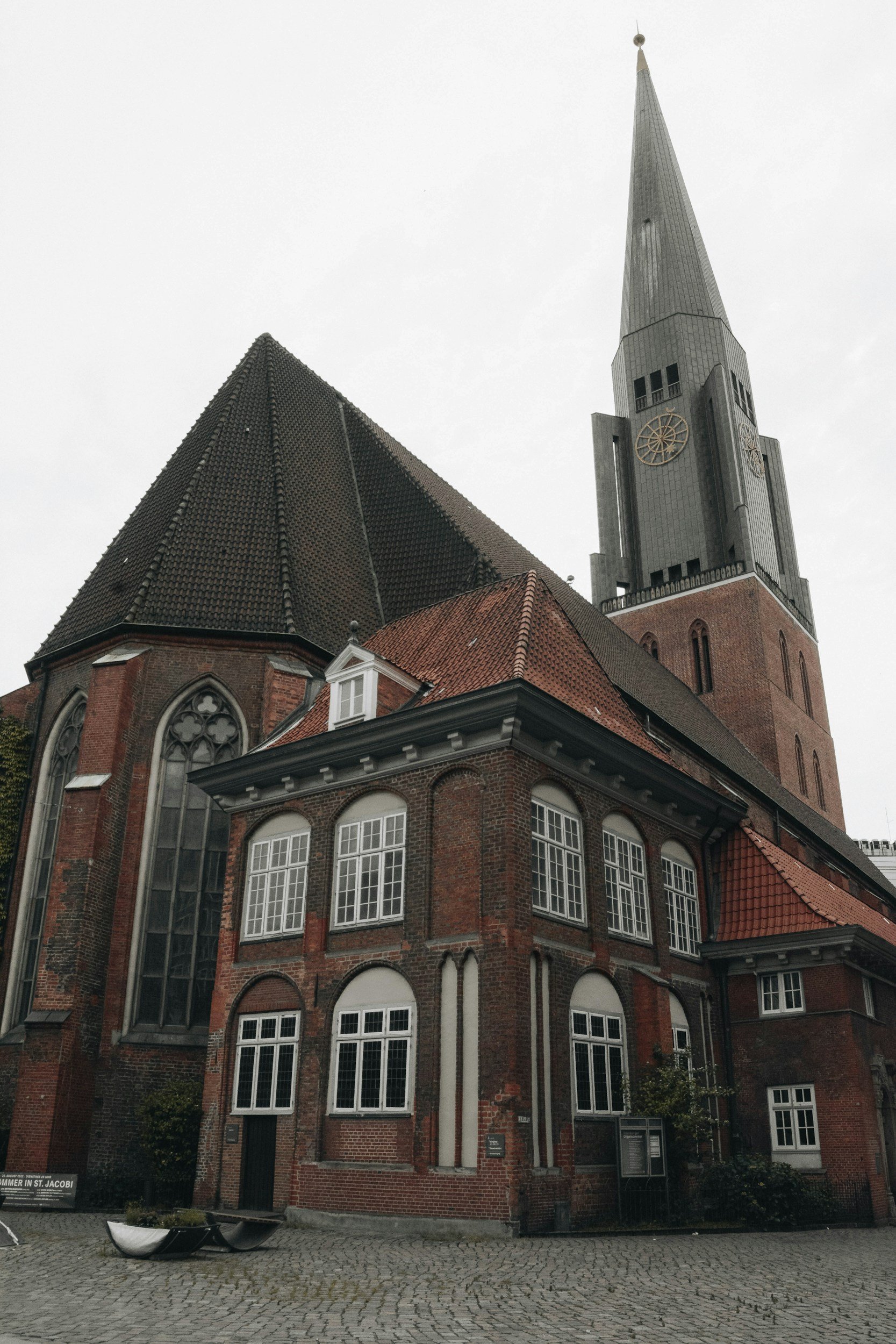
Can You Heal Religious Trauma Without Losing Your Faith?
For many people, faith begins as a source of belonging and community. It can offer guidance, purpose, and a sense of belonging to something bigger and greater than yourself. Faith can provide comfort through the hardest seasons and something that can steady you.

Purity Culture Wasn’t Pure: Healing the Shame That Has Never Been Yours
If you’ve grown up in any kind of organized religion, there’s always a moment with the dreaded topic of sex or intimacy comes up as a teenager. You’re told that sex is bad, wanting it is bad, and listening to your earthly or bodily desires is bad. You were taught to wait, to deny yourself, and more importantly, to watch yourself.